

Manitoba ME/CFS Support Group Board Members
-
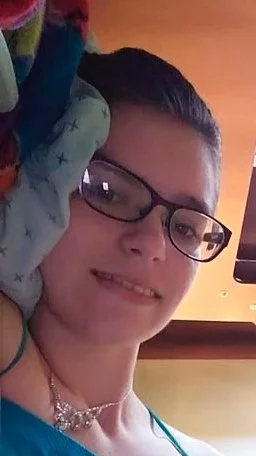
Maria M.
Maria developed the disease in 2007, but it took doctors around seven years to formally diagnose her. There were years when medical professionals told her it was all in her head, and only her family believed her when she said something was wrong.
Maria joined the Manitoba support group in 2014. Today, she volunteers — often from bed — as a board member, advocate, grant writer, support group facilitator and social media co-ordinator.
-

Bev F.
Bev developed ME/CFS in 1996 at age 40 after an untreated strep throat. She developed fibromyalgia in her thirties but with pacing was still able to work part time, parent, manage a home and do rewarding volunteer work. Fibromyalgia taught her how to begin to support her increasingly dysfunctional immune system. Pain and fatigue will always be with her but she has been able to heal (keep at bay) about 90% of her immune conditions. For her this is huge.
Attending the 2011 IACFE/ME Conference in Ottawa was absolutely transformative. She had finally found her people. Listening to Dr. Klimas, Dr. Bested, Dr. Stein, Staci Stevens, Margaret & Lydia from National Action Network, etc and surrounded by hundreds of patients was life changing. The conference had moved about ten beds into a dark quiet ballroom for the participants. Wow they got it!
Bev presented "Bev's Philosophy of Health" to the Fibromyalgia Support Group of Winnipeg in 2012 and met angel on earth, Anne-Marie, at that time. She finally found a group who understood the unrelenting exhaustion of this illness, and has been active since 2012.
She misses the dancing, hiking and camping of her old life, especially now with 2 grandsons whom she'd love to do more with.
Getting to know others in the ME/CFS community has been extremely rewarding, and she enjoys giving back. She particularly enjoys the board work and coordination, but is very thankful for the support group facilitators and tech volunteers.
The coping strategies she finds very important are diet & pacing, meditation and radical acceptance, and 91/2 hours of restorative sleep. -
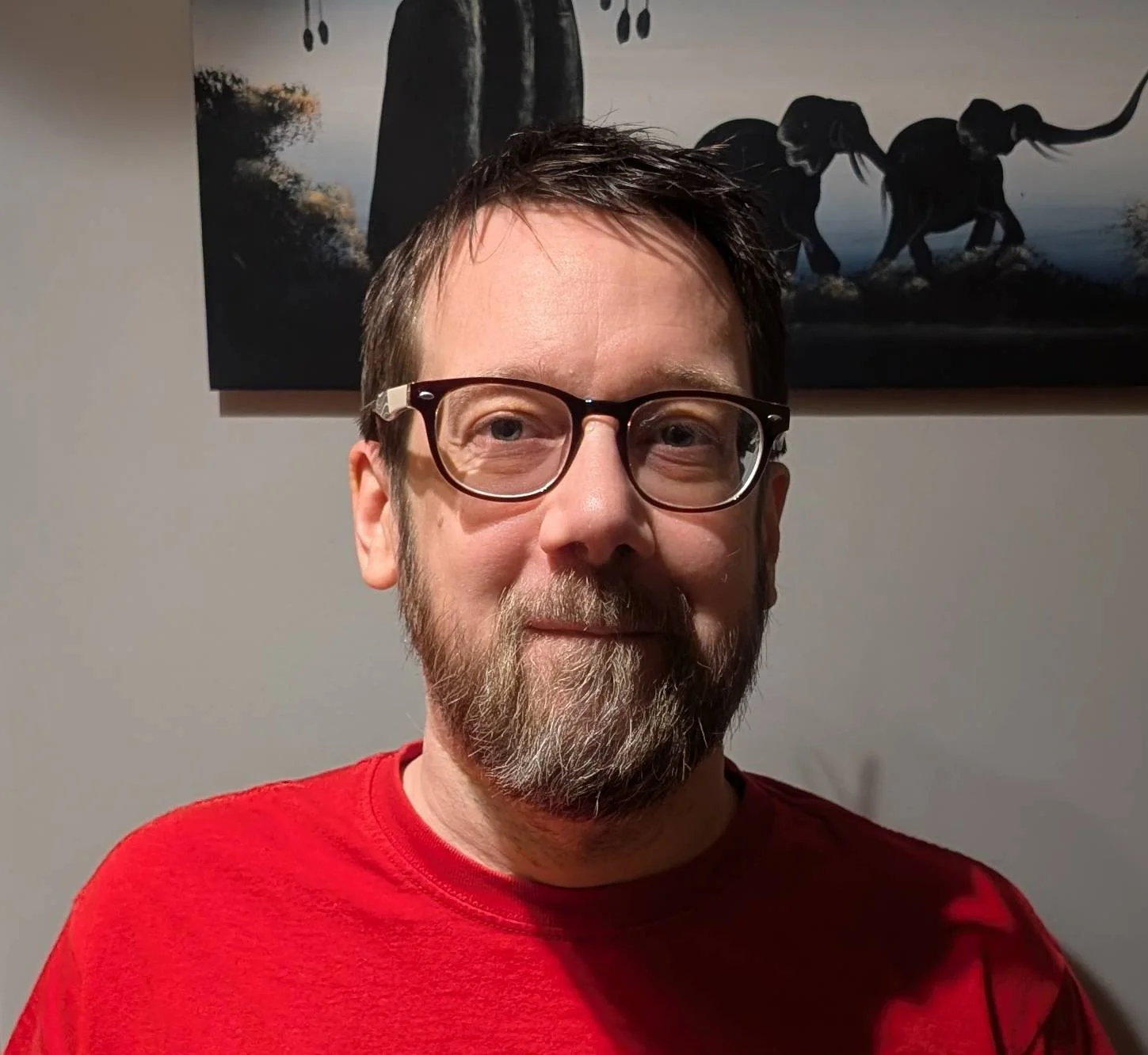
Michael N.
Michael is the acting president of the board. He has a certificate in Applied Counselling, and is available for one-on-one talks, or to accompany patients to doctor’s appointments to advocate for them.
He traces his ME/CFS back to 2006 when he had a severe flare of ulcerative colitis. He was diagnosed almost a decade later. He became severe after a Covid-19 infection in 2019, and stopped working. He joined the support group about a year later, and now facilitates the meetings and runs the group’s Discord server.
Michael believes that mainstream understanding and treatment of ME/CFS is still in its infancy, so patients need to learn from each other, help each other out, and advocate for treatment when it’s lacking.
What he has found most helpful is pacing (of course), oral rehydration salts, mindfulness and medications, including low-dose aripiprazole and fludrocortisone.
Michael enjoys gaming of various types, and has designed board games including a published game, “Win, Don’t Lose.” He misses his job at the library, volunteering on the crisis line, cycling, and going to Folk Festival.
-
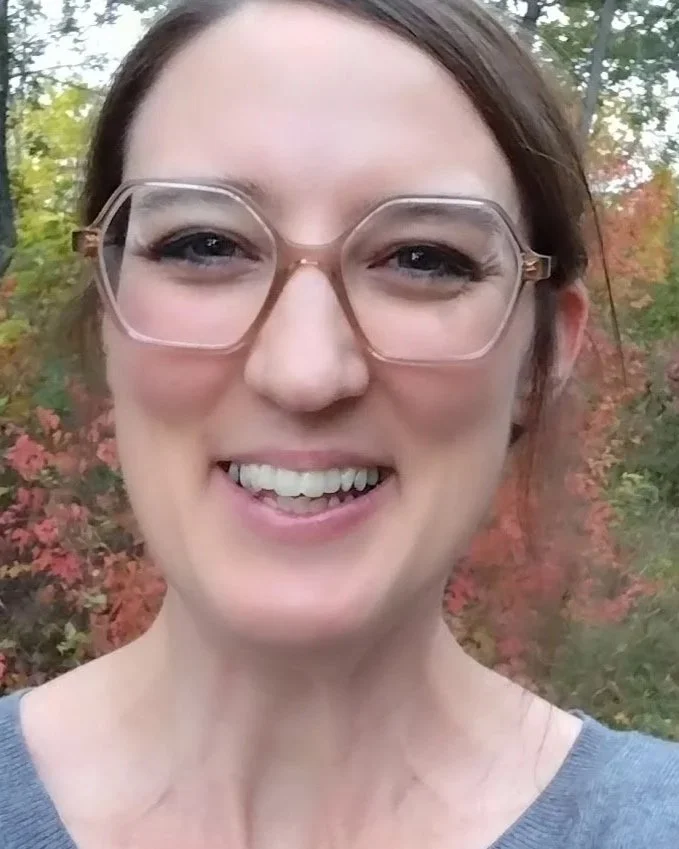
🏳️🌈 Elizabeth T. 🏳️🌈
Elizabeth became severely debilitated early in 2024, with symptoms ranging from full-body one-sided tingling to weakness, loss of coordination and trouble walking, as well as intermittent profound brain fog and unexplained tachycardia episodes. She was a stay-at-home mom planning to return to work that year, but was unable to keep up with basic childcare and household chores. Her capacity continued to diminish, and both the variety and severity of symptoms continued to increase over the course of the following 12 months, until she became almost completely bedbound.
Her first attempts to increase her strength and endurance were focused on psychological work and exercise. Her body did not respond to exercise as it had when she was healthy, and she became weaker after exertion rather than stronger.
She was diagnosed by a Doctor of Internal Medicine in the fall of 2024 with ME/CFS, and continued to decline until she began 23 hours per day of bedrest and minimal stimulation or mental or physical exertion. She has slowly seen small improvements, and is now able to leave her bed and even her house with medications for symptom management, caregiver support, and a wheelchair once or twice a week, as well as sit up in bed and communicate with people almost daily.
Elizabeth is a Christian, cisgender with she/her pronouns, bi/pansexual and happily married with three kids. She's a songwriter, and she used to be a math and English teacher. She is grateful to be part of this community of people who care for each other in the face of this torturous and isolating condition.